College of Law Removing Barriers to Justice: The Public Defender Clinic at MSU Law
By Catherine Anger
This year, the Michigan State University College of Law started the Public Defender Clinic, the first of its kind in the state. Through a narrow focus on preconviction appeals, MSU Law students work to support the caseloads of Michigan’s public defenders as they represent clients unable to afford legal counsel.
“Trial public defenders often don’t have the bandwidth to handle the appeals that come up before trial,” says Public Defender Clinic Interim Director Bradley Hall. Hall previously served as the director of the Michigan Appellate Assigned Counsel System, where he was responsible for providing attorneys to clients seeking appeals for felony convictions. “These appeals tend to be very narrow in scope, have a tight record, have a short timeline, and lend themselves perfectly to student representation,” Hall says.
According to a presentation by the Michigan Indigent Defense Commission in March 2024, preconviction appeals filed by attorneys representing indigent clients in Michigan increased by 250% from 2019 to 2023. Preconviction appeals can hold police, prosecutors, and judges accountable by clarifying important legal questions. The most common successful preconviction appeals are for suppression of illegally obtained evidence. These appeals can also test if the evidence presented by prosecutors is reliable or the reach of a criminal statute applies in a specific case, as well as other important questions to consider before a verdict is reached.
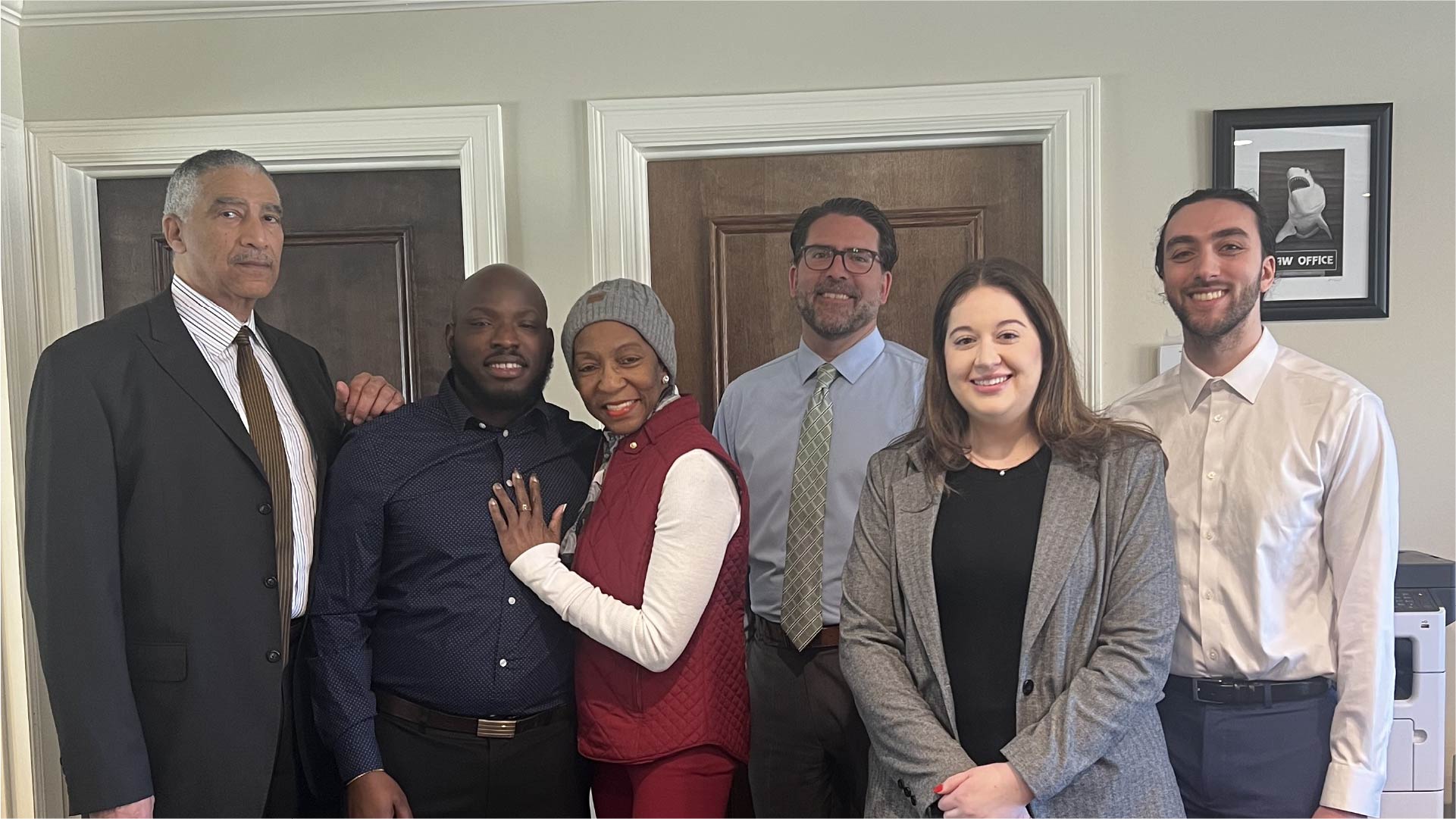
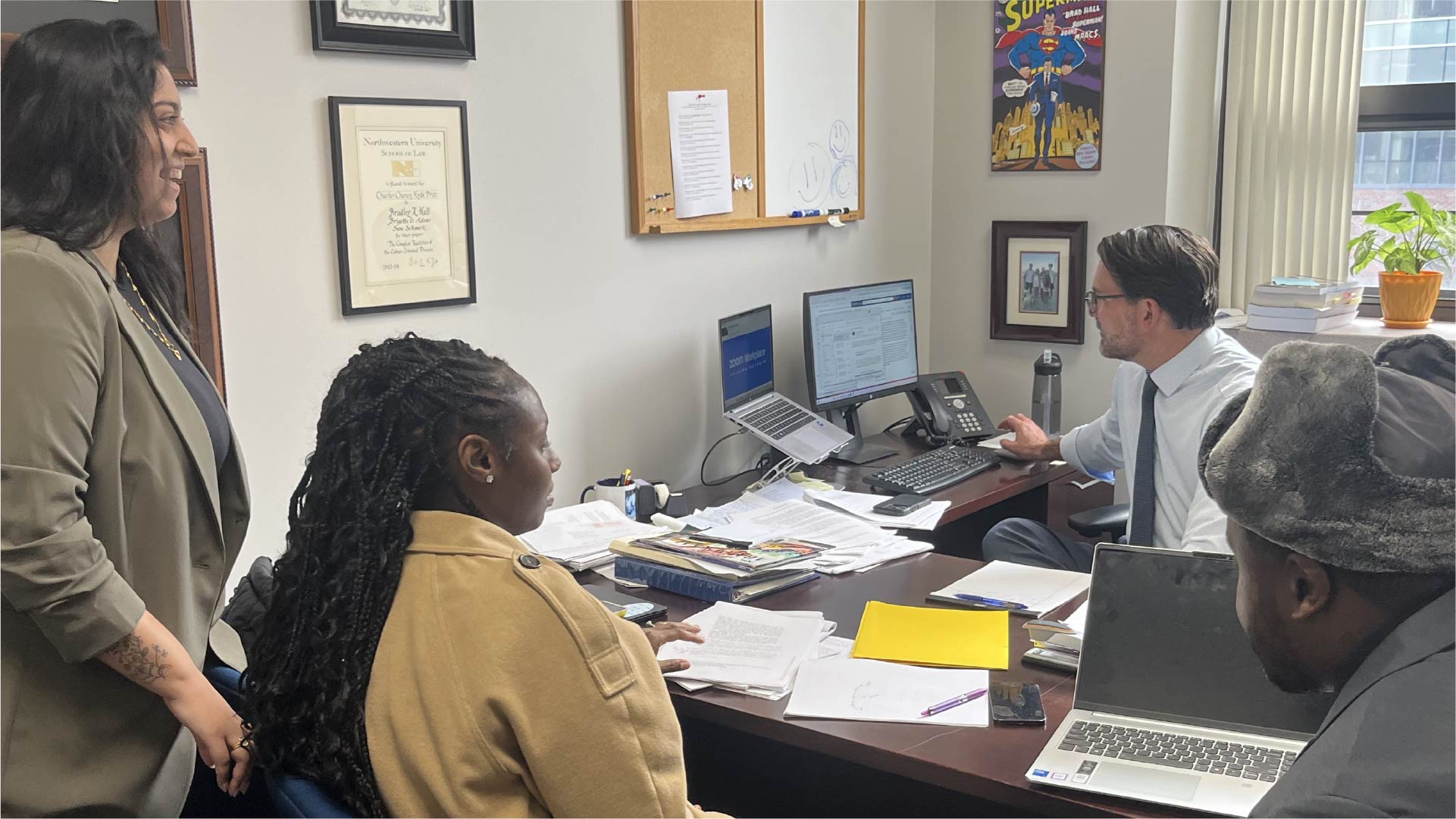
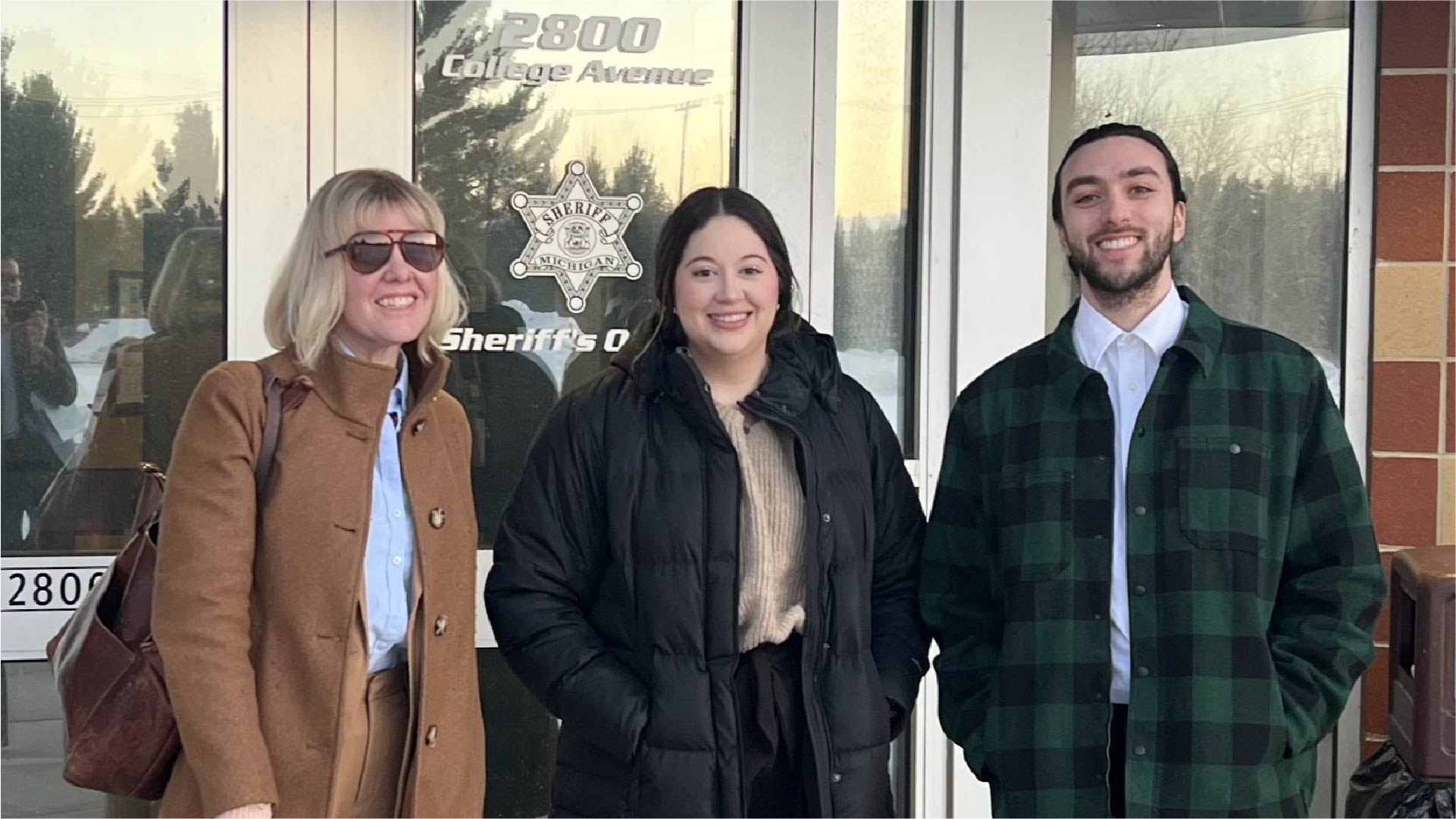
Spring 2025 marked the Public Defender Clinic’s first operational semester. Six students, supervised by Hall, met with eight clients and their trial public defenders to learn more about their plans for pursuing preconviction appeals. Students learned more about these cases through conversations with witnesses and families, and seminars provided opportunities to discuss difficult topics with appellate judges, public defense experts, and formerly incarcerated individuals. Each student had the opportunity to serve as first chair in developing an appeal, and class time was dedicated to sharing drafted briefs and providing constructive criticism about ways to approach the legal questions in each case.
“My experience deepened my understanding of the challenges faced by indigent individuals in the criminal legal system,” says student Mason Knowles. Knowles wrote a response brief for a client whose trial was rescheduled several times due to the prosecution’s witnesses not being available. “It made me reflect on the huge responsibility that attorneys carry and reaffirmed the importance of being a thorough and prepared advocate,” he recalls.
“Getting to work with the local community, learn about their legal needs, and contribute to real cases has been an invaluable experience,” says student Stephanie Leavens. Leavens worked on an appeal that asked whether the trial court unfairly limited questioning of a police witness, preventing the client from presenting a complete defense. “The clinic is more than just a class—it’s a hands-on way to make a difference,” she says.
In The People v. Burnett, the Public Defender Clinic influenced state legal precedent on what is considered a statement to invoke right to counsel. In this case, the Michigan Court of Appeals reversed the trial court’s holding in a published opinion, stating that “it’s just, I want my lawyer” is a valid request for representation and should have stopped police from asking further questions.
While the defendant still faces serious charges, this narrow question that MSU Law students were asked to answer affirmed his right to a fair trial. “It was an eye-opening experience to realize that this issue is way more prevalent than we know, and there may be a bigger issue to tackle,” says student Manisha Misra about the case.
With a successful first year as a learning experience for law students, the Public Defender Clinic will continue supporting preconviction appeals following this model. “It was a win-win from a structural, public need perspective,” says Hall. “It allowed them to get out of campus and out of their casebooks and see how the criminal legal system affects real people.”